
Why Denim Jeans Lab Testing Matters Before You Commit to Bulk Production
Skipping lab testing before bulk production is one of those decisions that feels fine — right up until it isn’t. A brand places 3,000 units, the denim fades unevenly after two washes, the waistband shrinks 4cm, and suddenly they’re dealing with returns, refunds, and a supplier dispute that could’ve been avoided entirely. That scenario plays out more often than most people in the industry want to admit.
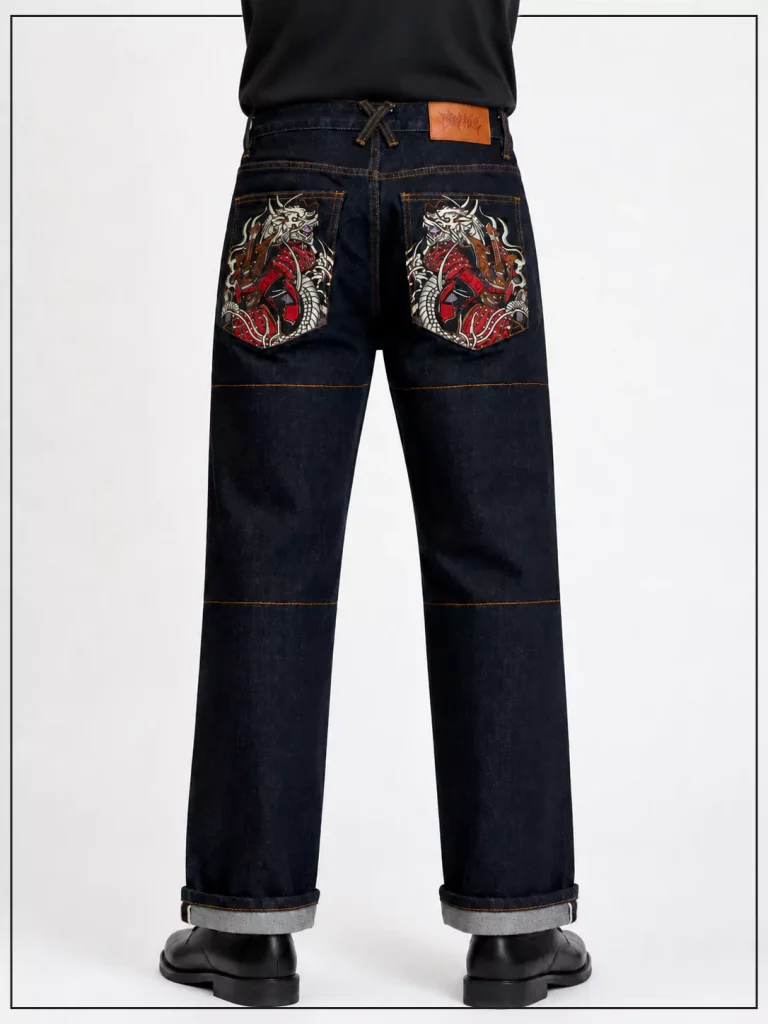
Denim jeans lab testing exists to catch exactly that kind of problem before it becomes expensive. Not after. Before.
So here’s the thing most new brands don’t fully grasp: fabric behavior in a controlled sample environment doesn’t automatically predict how a garment performs at scale. Different dye lots, slight variations in weave tension, changes in wash chemistry — all of it can shift between a prototype run and a 2,000-piece bulk order. Lab testing creates a documented baseline — a set of measurable performance standards your production run is expected to hit — so you’re not just trusting gut feeling or factory assurances.
The stakes are real. Denim construction involves multiple variables: fabric weight (typically measured in ounces per square yard), colorfastness ratings, tensile strength at stress points like belt loops and inseams, and dimensional stability after washing. Each one affects whether the final product holds up to actual wear. And failing on even one of those metrics — say, a colorfastness score below 3 on the standard grey scale — can make a product unsellable in markets with strict quality requirements, including most major European and North American retailers.
Manufacturers that have been operating in serious denim production clusters — Zengcheng in Guangzhou being one of the most established — understand that testing isn’t bureaucratic overhead. It’s what separates a brand that scales confidently from one that gets burned on its first big order.
The core reasons denim jeans lab testing matters before bulk commitment:
- Catches fabric and construction defects before they multiply across thousands of units
- Validates that wash treatments — stonewash, enzyme, acid — perform consistently at production volume
- Confirms compliance with import regulations and retailer quality standards in target markets
- Gives brands documented evidence to resolve supplier disputes if production quality slips
- Protects the cost of bulk orders — often tens of thousands of dollars — from avoidable failure
Not optional. Not a nice-to-have. Just smart manufacturing practice.
Abrasion Resistance, Tear Strength, and Seam Performance: What Each Denim Test Actually Measures
Three tests. Most brands don’t know what any of them actually measure — and that gap is exactly where quality problems hide.

Abrasion resistance testing — usually run to the Martindale or Wyzenbeek standard — puts fabric through repeated rubbing cycles against a calibrated abrasive surface until visible wear or yarn breakdown appears. The cycle count at failure is your number. A denim fabric rated for 20,000 Martindale cycles will outlast one rated for 8,000 in almost any real-world use scenario, and that difference shows up in returns data within the first season. For jeans specifically, the high-wear zones matter most: inner thighs, seat, and the hem edge where cuffs drag on pavement.
Tear strength is different. Not about rubbing — about force.
It measures how much load a fabric can sustain along a cut or nick before the tear propagates. Elmendorf tear testing is the standard method here, and it’s particularly relevant for lightweight denim (anything under 10 oz per yard) where looser weave constructions can fail catastrophically from a single snag. So if a brand is chasing that trendy super-soft, almost-gauze-weight denim look, tear strength testing isn’t optional. It’s the test that tells you whether the fabric actually holds up or just photographs well.
Seam performance testing is where denim jeans lab testing gets most directly tied to construction decisions. Seam slippage, seam strength, and seam efficiency are three separate measurements (people mix them up constantly, which is a problem). Seam slippage measures how easily yarns pull away from a stitch line under lateral stress — critical for stretch denim blends. Seam strength measures the load at which the stitch itself fails. And seam efficiency compares the seam’s strength to the base fabric, expressed as a percentage.
- Seam slippage: most relevant for stretch and twill weaves with lower yarn density
- Seam strength: the primary pass/fail metric for most retailer compliance specs
- Seam efficiency: the diagnostic number — low efficiency means the construction is the weak point, not the fabric
Run all three. The results tell different stories.
Colorfastness Testing for Denim Jeans: Wash, Rub, and Light Exposure Standards Explained
Colorfastness is the one area where denim jeans lab testing gets genuinely complicated — because denim is supposed to fade, and yet it still has to meet minimum standards for how and when that fading happens. The distinction matters more than most buyers realize.

There are three core colorfastness tests that show up in almost every retailer compliance brief: wash fastness, rubbing fastness (called crocking), and light fastness. Each one measures something different. Each one fails for different reasons.
| Test Type | Standard Method | What It Measures | Typical Pass Grade |
|---|---|---|---|
| Wash Fastness | ISO 105-C06 / AATCC 61 | Color change after repeated laundering | Grade 3–4 minimum |
| Dry Crocking | ISO 105-X12 / AATCC 8 | Dye transfer to dry fabric via friction | Grade 3 minimum |
| Wet Crocking | ISO 105-X12 / AATCC 8 | Dye transfer to wet fabric via friction | Grade 2–3 (wet is always harder) |
| Light Fastness | ISO 105-B02 / AATCC 16 | Color degradation under UV exposure | Grade 4 minimum for most markets |
Wet crocking is the one that catches brands off guard. Raw and lightly washed indigo denim almost always crocks heavily when wet — that’s not a defect in the traditional sense, but it becomes a commercial problem fast if your customer’s white sneakers turn blue after a rainstorm. So the fix usually happens at the washing stage, not the fabric stage.
Light fastness is a different beast entirely. Slow, expensive to test properly (xenon arc exposure runs for 20-plus hours under controlled conditions), and often skipped by smaller brands running tight timelines. Big mistake. Especially for any product going into markets with high UV exposure — outdoor retail, beachwear crossover styles, that kind of thing.
Grades run 1 to 5 on most scales. Higher is better. Anything below a 3 on wash or crocking in denim jeans lab testing is a commercial rejection in most major retail channels, full stop.
And the grading is visual — a trained assessor compares staining against a standard grey scale. Which means inter-lab variation is real. Worth knowing before you assume one passing result is universal.
How to Read Denim Lab Test Results and Use Them to Set Quality Benchmarks for Your Brand
So you’ve got a lab report in your inbox — a PDF full of tables, test codes, and grades that may as well be written in a foreign language if you haven’t done this before. Here’s the thing: reading denim jeans lab testing results isn’t actually that hard once you understand the structure. The problem is most brands skip the step of translating those results into internal benchmarks, which means they’re essentially flying blind every time they approve a new bulk run.
Most reports follow a column format: test name, method reference (AATCC or ISO, usually), result, and a pass/fail notation against whatever spec was submitted. If you didn’t submit a spec — and a lot of smaller brands don’t — the lab defaults to its own internal threshold, which may not match your retail buyer’s requirements at all. That gap right there is where rejections happen.
Not ideal.
What you actually want to do is build your own brand quality standard — a one-page internal document that pulls the minimum acceptable grades from your key test categories and sets them slightly above the commercial floor. For denim specifically, that means setting your internal wash fastness floor at a 4 rather than the commercial minimum of 3-4, so you have buffer room before a result becomes a real problem. Same logic applies to tensile and tear strength — if a retail partner requires 150N on seam strength, your internal benchmark should sit at 170N.
A basic benchmark table for denim jeans tends to cover these core categories:
| Test Category | Typical Commercial Minimum | Recommended Brand Benchmark |
|---|---|---|
| Wash Fastness | Grade 3-4 | Grade 4 |
| Crocking (Dry) | Grade 3 | Grade 4 |
| Crocking (Wet) | Grade 2-3 | Grade 3 |
| Seam Strength | 140–150N | 170N+ |
| Shrinkage (Wash) | ±5% | ±3% |
| Light Fastness | Grade 3 | Grade 4 |
And once that document exists, it becomes the spec you submit to the lab — so every denim jeans lab testing cycle is measured against your standard, not a generic one. Manufacturers like Apparelscustom, who work with brands at early development stages, can actually incorporate these benchmarks into pre-production sampling, which catches issues before bulk rather than after. That’s where the real cost savings live.
Consistent benchmarks also make supplier conversations easier. Instead of vague feedback like “the color bled,” you’re pointing to a Grade 3 wet crocking result against a Grade 4 internal requirement. Specific. Documentable. Hard to argue with.
Conclusion
Here’s the honest truth: denim jeans lab testing isn’t the glamorous part of building a brand, but it’s the part that stops you from eating a costly recall or watching your reputation take a hit on return rates. Grade numbers and Newton measurements aren’t bureaucratic noise — they’re the difference between a supplier conversation that goes nowhere and one where you actually get what you asked for.
Set your benchmarks before sampling, not after.
If you’re working with a manufacturer who can build those specs into pre-production — so problems surface on a prototype rather than a 5,000-piece bulk run — you’re already ahead of most brands at your stage. That’s the move worth making.
Frequently Asked Questions
Q: What is denim jeans lab testing and why does it matter for brands?
A: Denim jeans lab testing is the process of putting fabric and finished garments through standardized physical and chemical tests — colorfastness, tensile strength, seam slippage, shrinkage — to verify they meet defined performance specs before bulk production. It matters because return rates and quality complaints almost always trace back to something a lab test would’ve caught. Skipping it is a gamble that gets expensive fast.
Q: How much does denim jeans lab testing typically cost?
A: A basic panel of tests through a third-party lab like SGS or Bureau Veritas typically runs anywhere from $150 to $600+ depending on which tests you’re running and how many samples you submit. Colorfastness testing alone can be broken into six or seven sub-tests, so costs stack up quickly if you’re testing comprehensively. Most brands working with a capable OEM manufacturer can negotiate pre-production testing into their development process, which shifts some of that cost burden.
Q: How long does denim jeans lab testing take to get results?
A: Standard turnaround at most accredited labs is 5–10 business days. Rush testing — if your timeline is tight — usually costs extra and can cut that to 2–3 days. Build this into your sampling schedule upfront, not as an afterthought.
Q: What are the most important tests in denim jeans lab testing?
A: Colorfastness to washing (ISO 105-C06), seam strength, dimensional stability (shrinkage), and abrasion resistance are the ones that actually affect customer experience — they’re what drives returns when they fail. Tensile and tear strength matter more for workwear or performance denim than for fashion pieces, but you shouldn’t ignore them entirely. The tests worth prioritizing depend on your end use, your target market, and any retailer compliance requirements you’re working toward.
Q: Can I rely on my manufacturer’s in-house testing instead of third-party denim jeans lab testing?
A: In-house testing from your manufacturer is useful for catching obvious issues early, but it’s not a substitute for independent verification — there’s an inherent conflict of interest when the same factory tests its own output. Third-party denim jeans lab testing through an accredited body gives you results that hold up if there’s ever a dispute, a retailer audit, or a product liability question. Use both if you can; treat in-house results as a first filter, not a final sign-off.
Q: Why do denim jeans fail colorfastness testing so often?
A: Indigo — the dye used in most denim — is inherently unstable. It sits on the surface of the yarn rather than bonding deeply into the fiber, which is why raw denim fades and why poorly fixed dye bleeds onto seats and skin. Colorfastness failures in denim jeans lab testing usually come down to the dyeing process, the wash chemistry, or inadequate fixation treatments — and a grade below 3 on the ISO scale is typically where retailers start rejecting shipments.
Q: Is denim jeans lab testing worth it for small brands with low order quantities?
A: Honestly, yes — especially if you’re selling through wholesale channels or marketplaces that require compliance documentation. The cost of testing a prototype is a fraction of what you’d spend managing returns, reprinting labels, or re-ordering a failed batch. Manufacturers that support low MOQs (some starting at 20 pieces) and build testing into the sampling stage make this accessible even for smaller labels — you don’t need a 5,000-piece run to justify doing it right.
Q: How do I read a denim jeans lab testing report if I’m not a technical person?
A: Focus on three things: the test method used (ISO or ASTM), the result achieved, and whether it passed or failed against your specified requirement. Most reports use a simple grade scale — ISO colorfastness results run from 1 (terrible) to 5 (excellent), and anything below a 3–4 depending on the test is a flag. If a result is marked “fail” or sits below your target grade, that’s the conversation you need to have with your supplier before approving bulk production.